
- My booking
- Online Check-in
- Flight extras
- Financial services


 Booking
 Skyshop
 Hotel
Hotel
 E-Voucher
 E-Sim
E-Sim
 E-Visa
 Buy foreign currency
 Insurance
 SkyJoy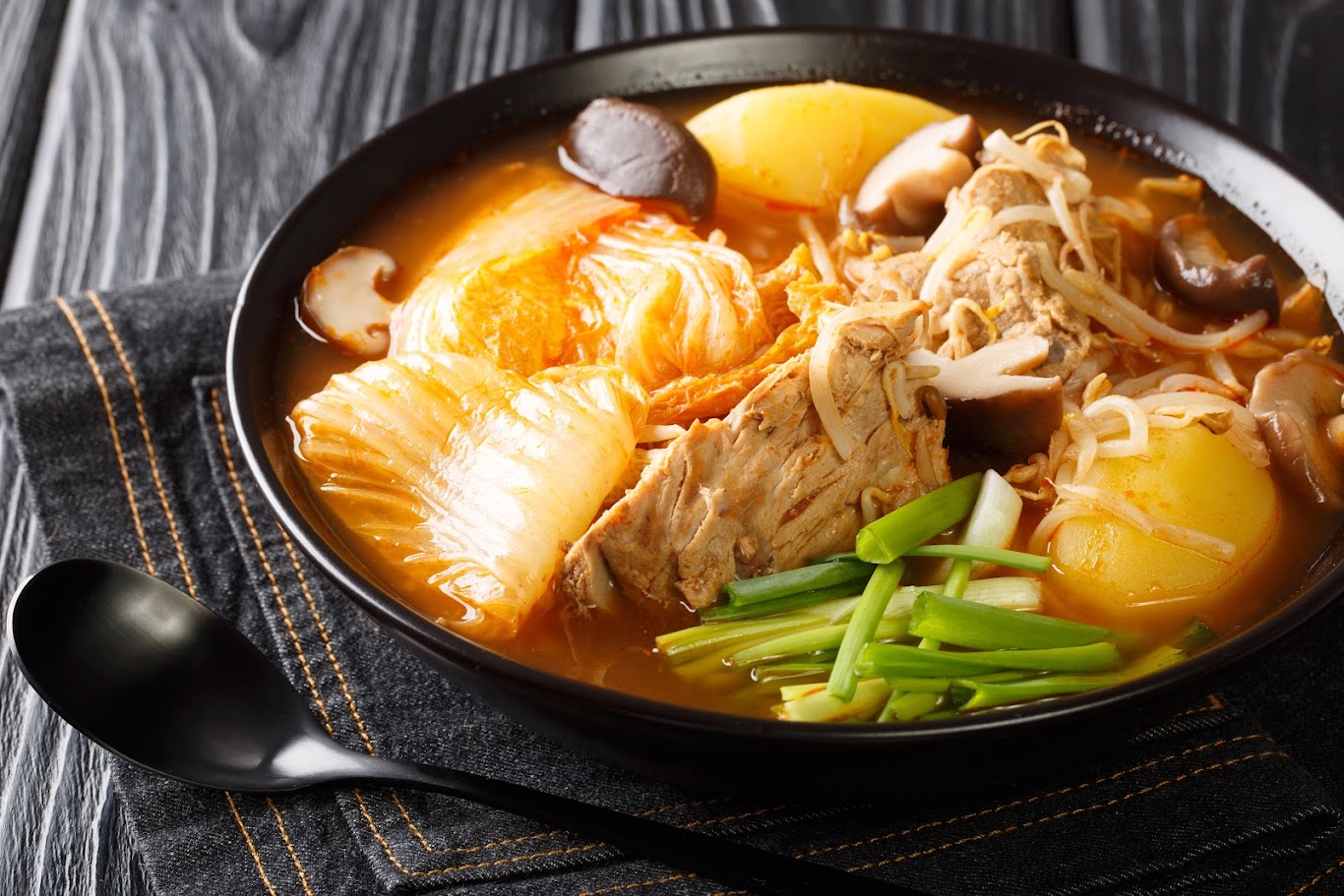




Departure date

Return Date

Gamjatang – The Signature Flavor of Korean Pork Bone Soup
Visiting the land of kimchi, travelers cannot miss its unique cuisine with world-famous dishes such as chewy rice cakes in spicy sauce, flavorful bulgogi grilled meat wrapped in sesame leaves, or refreshing cold noodles. Among them, gamjatang (감자탕), also known as Korean pork bone stew, is a highly nutritious dish with a rich flavor, perfect to enjoy with rice or on a chilly evening.
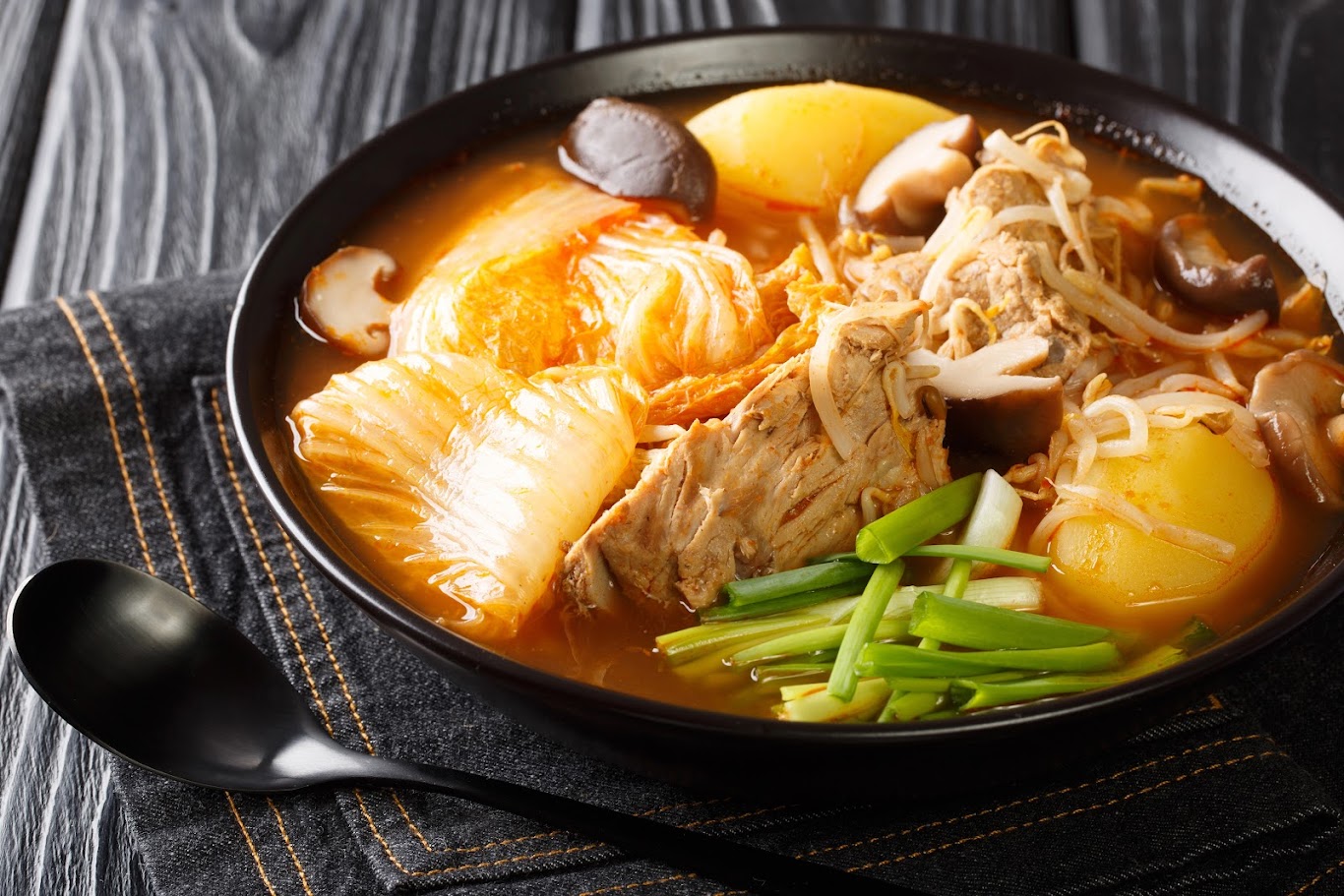
Gamjatang is a Korean soup loved by many people.
1. Introduction to gamjatang – A nutritious Korean bone soup
1.1 What is gamjatang?
In Korean, “gamja” actually refers to pork spine marrow, which already hints at the main ingredient and where the signature flavor of this stew comes from. Typically, to make a perfect bowl of gamjatang, Koreans simmer pork bones for several hours to extract a naturally sweet broth from the bones. Then, the bones and broth are cooked together with potatoes, cabbage, bean sprouts, and more, seasoned with roasted sesame seeds and perilla seed powder to create its distinctive aroma.
With a preparation method that is not too complicated yet highly nutritious, gamjatang has become a national soup in Korea, similar to kimchi jjigae, miyeok-guk, or doenjang jjigae.
1.2 The origin of gamjatang
Korean pork bone soup gamjatang first appeared around 1900 in Jeolla, during the construction of the railway connecting Seoul and Incheon. It is said that a large number of workers flocked to Incheon Port for the project. These workers needed nutritious meals to regain strength, so they ate a soup made from pork bones, potatoes, and dried radish leaves. At that time, a man named Han Dong-Gil came up with the idea of opening the first gamjatang restaurant, called Hamba Jip, specializing in serving this rich Korean pork bone stew. The reason gamjatang is made from pork bones instead of beef bones goes back to the fact that cows played a crucial role in Jeolla’s agricultural economy.
From Jeolla, gamjatang quickly spread to neighboring provinces and across Korea because the dish was affordable, nourishing, and suitable for many occasions.
2. The flavor of Korean pork bone stew
This Korean soup draws its sweetness from bone marrow and has a characteristic spicy kick from chili powder, embodying the essence of Korean cuisine with ingredients like soybean paste, perilla leaves, sesame oil, and green onions. Gamjatang tastes best when served hot, allowing diners to fully enjoy the rich, condensed flavors of Korean culinary tradition in each spoonful of broth loved by households everywhere.
The fragrant and flavorful broth of gamjatang is the result of a meticulous cooking process. Right from the beginning, the cook must thoroughly clean the pork bones, blanch them in hot water to remove impurities, and extract a clear, protein-rich broth. The best cuts for gamjatang are pork neck bones and pork spine bones. Once the broth and bones are simmered until tender, vegetables—usually potatoes, napa cabbage, enoki mushrooms, and green onions—are added. The main seasonings include chili powder, soybean paste, perilla leaves, sesame seeds, pepper, and salt. After simmering over low heat for a while, all ingredients become tender and harmonize with the natural sweetness of vegetables and the richness of the bones.
Gamjatang is commonly eaten with steamed white rice and various Korean side dishes (banchan). Its rich flavor also pairs well with alcoholic drinks or can be enjoyed during special holidays as part of a hearty ceremonial feast.
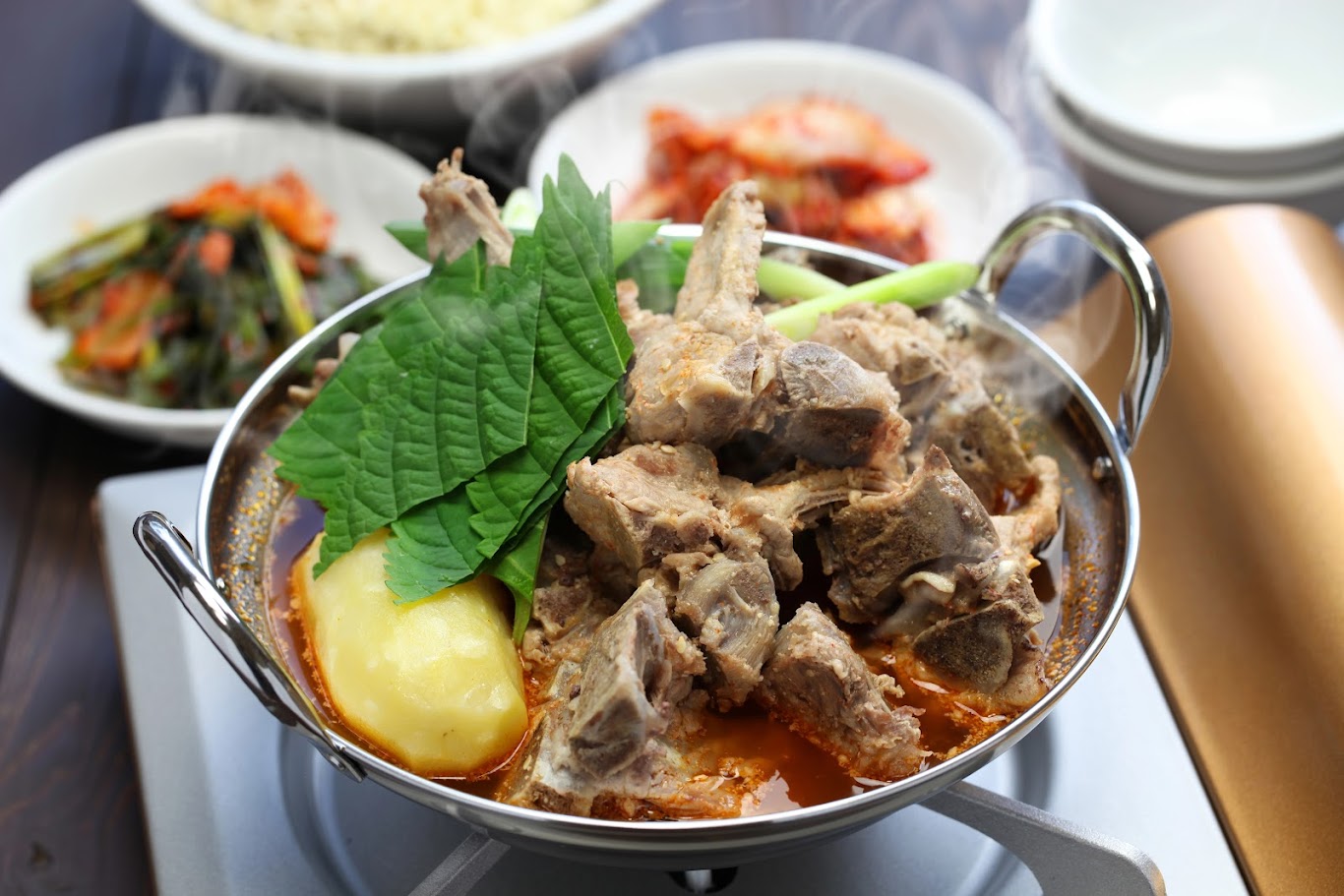
Gamjatang is irresistibly delicious and represents the richly seasoned cuisine of Korea.
3. Famous places to eat gamjatang
If you’re not sure where to enjoy good gamjatang, take a look at these famous gamjatang restaurants in Korea:
3.1 Somunnan Gamjatang
This gamjatang restaurant is so famous that it’s always crowded, and you usually have to wait a bit before getting a table. However, the renowned Korean pork bone stew here will make every minute of waiting worth it. Somunnan specializes in traditional-style gamjatang with hearty portions of meat and vegetables. The pork bones are stewed until tender, and the broth is rich and spicy—perfect to enjoy with rice.
-
Address: 45 Yeonmujang-gil, Seongdong-gu, Seoul, South Korea
-
Price range: 29,000 – 46,000 KRW/serving (about 500,000 – 830,000 VND)
3.2 Shindonggung Gamjatang
Located on the bustling Myeongdong street, Shindonggung Gamjatang is famous for its rich and authentic flavor. Portions here are always generous, the broth is fragrant and sweet, and the pork bones are cooked to perfection. Moreover, the cozy atmosphere and friendly staff make it a popular choice for both locals and tourists.
-
Address: 43 Myeongdong 9-gil, Jung-gu, Seoul, South Korea
-
Price range: 13,700 – 34,300 KRW (about 250,000 – 620,000 VND)
3.3 Wonjo Gamjatang Ilmijip
Wonjo Gamjatang Ilmijip is a must-visit spot for fans of Korean pork bone stew. The restaurant has been serving excellent gamjatang for decades and is known for its perfect broth recipe. The gamjatang here impresses diners with its deep, layered flavors, rich sesame aroma, and the sweet umami extracted from the pork bones. This is a traditional-style restaurant, from its flavors to the way dishes are presented.
-
Address: 22 Eulji-ro 3-gil, Jung-gu, Seoul, South Korea
-
Price range: 15,000 – 25,000 KRW (about 270,000 – 450,000 VND)
3.4 Kongppyeo Sutppyeo Gamjatang
Kongppyeo Sutppyeo Gamjatang adds a modern twist to the traditional dish. In addition to the classic version, the restaurant also offers a cheese gamjatang that enhances richness and flavor. The restaurant uses high-quality ingredients and simmers the pork bones for many hours to extract maximum sweetness.
-
Address: 21 Myeongdong 3-gil, Jung-gu, Seoul
-
Price range: 33,000 – 45,000 KRW (about 600,000 – 810,000 VND)

There are many gamjatang restaurants along the famous Myeongdong street.
4. Notes when eating Korean pork bone stew
-
Korean pork bone stew gamjatang often has a distinct spicy flavor, so if you cannot eat spicy food, ask the restaurant to reduce the spiciness if possible.
-
This soup is usually served in a stone or earthen pot to keep it hot for a long time. Therefore, be careful when eating to avoid burns.
-
Koreans usually scoop gamjatang into a small bowl, sprinkle green onions, pepper, and chili slices on top, then mix it with rice.
-
The essence of gamjatang lies in the fall-off-the-bone pork. However, it can be a bit inconvenient as you need to separate the meat from the bone. Restaurants often provide gloves so diners can enjoy it easily. You can also use chopsticks or a fork to remove the meat.
-
Gamjatang is widely available in markets, restaurants, and pubs at reasonable prices.
See more: How much does it cost to travel to Korea?
If you love the famous Korean pork bone stew gamjatang in particular and the diverse cuisine of Korea in general, start planning your trip to Korea today. Vietjet operates many direct flights to Korea with fares starting from only 890,000 VND. Especially, don’t miss the 0 VND ticket promotions for domestic and international routes from 12 PM – 2 PM. See details HERE.
Follow Vietjet to stay updated on the latest travel information and attractive promotions:
-
Facebook: https://www.facebook.com/vietjetvietnam
-
Instagram: https://instagram.com/vietjet











































![[FAQ] What is the Best Time to Travel to South Korea?](https://vj-prod-website-cms.s3.ap-southeast-1.amazonaws.com/shutterstock533705653supersize-1696644100090.jpg)







































Hot news





Buy Baggage, meals, choose seats and more…
Luxury service
About Vietjet
Contact Center
Where to buy ticket?
Cargo
Privacy policy
Cookie Policy


