Booking
 Skyshop
 Hotel
Hotel
 E-Voucher
 E-Sim
E-Sim
 E-Visa
 Buy foreign currency
 Insurance
 SkyJoy
Winter in Europe always has a unique charm, especially as Christmas approaches. The old streets are adorned with shimmering lights, the scent of gingerbread wafts gently through the air, and the squares transform into grand stages filled with bells, festive music, and vibrant Christmas markets. However, amidst this beauty, first-time travelers to Europe in winter often feel overwhelmed by the bone-chilling cold, sometimes just a few degrees above freezing, or even below. Therefore, preparing the right winter travel attire and knowing the secrets to staying warm while traveling in the snow is essential to fully enjoy your journey instead of shivering in the winter chill.
If you are excited to enjoy the year-end holiday season but are unsure what to bring, how to dress warmly yet stylishly, or how to pack for a Christmas trip to Europe, this article will serve as your "winter survival map."
1. Why is winter travel in Europe so popular during Christmas?
Winter travel in Europe has a unique allure, especially during Christmas - the time when the entire continent dons its most dazzling attire of the year. As you step onto the streets, you will see the festive atmosphere present at every corner: from warm golden lights hanging on the eaves of old houses, the sound of Christmas music softly echoing in the chilly air, to the distinctive winter scents of mulled wine, gingerbread, and fragrant cinnamon wafting through the night markets. Europe during this season resembles a moving fairy tale, making it easy for anyone to be captivated by the warmth that stands out amidst the biting cold.
But what captivates travelers the most is the winter scenery of Europe. The silver-gray sky, red rooftops covered in snow, and the cobblestone streets illuminated by golden lights all create an incredibly romantic beauty. From Paris, Vienna to Prague or Zurich, each city presents a different Christmas painting: classic, solemn, charming, and rich in the cultural imprint of each country. The moment of witnessing the first snowflakes falling or admiring the shimmering lights reflecting on the surface of frozen lakes is what makes many travelers believe that winter in Europe is the most beautiful time of the year.
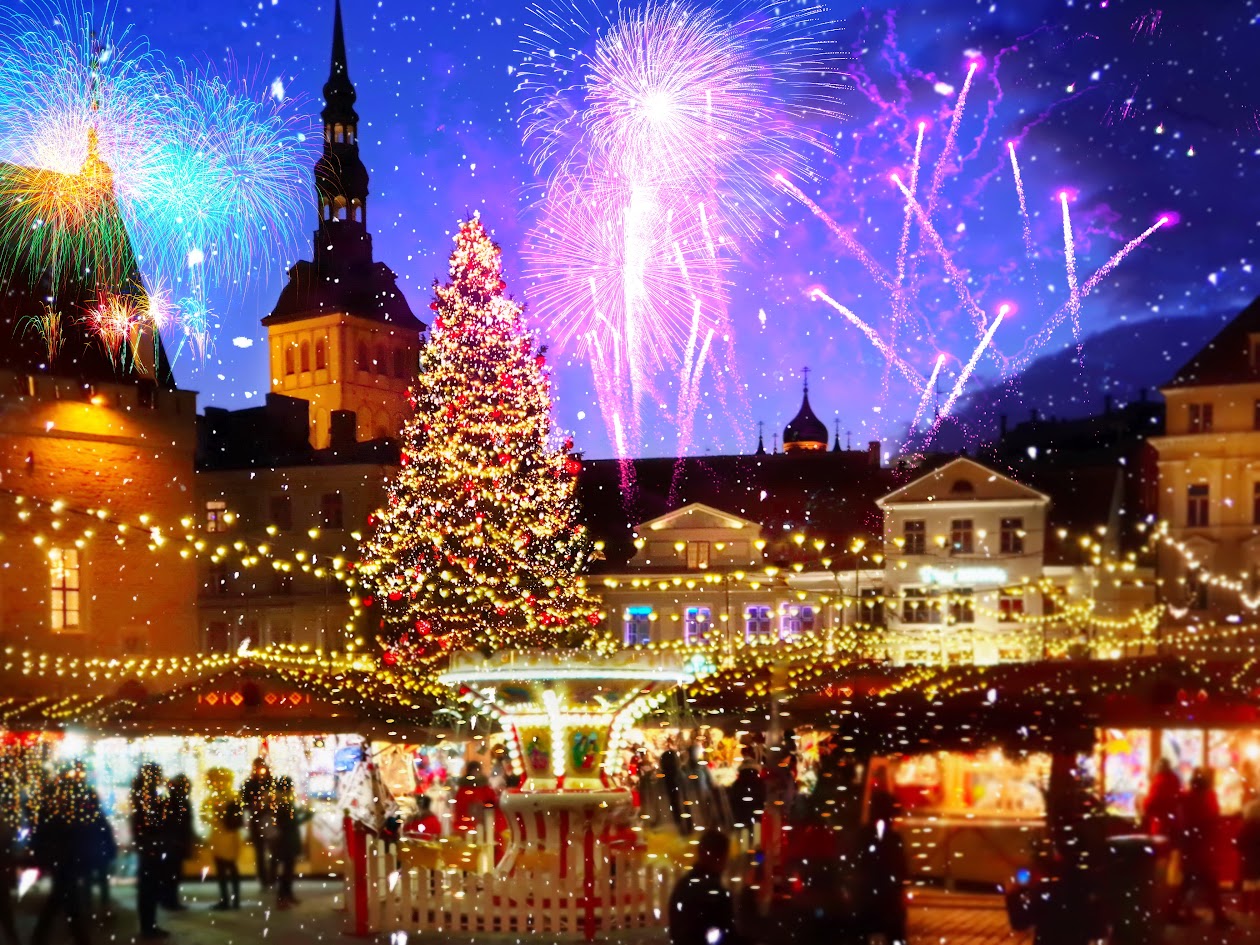
Europe in winter during Christmas is like a moving fairy tale filled with a vibrant, festive atmosphere.
Not only are there beautiful sights, but winter activities are also a reason many people choose to visit Europe at this time. You can try ice skating outdoors in the old square, enjoy a Christmas concert in a centuries-old church, participate in light festivals, or simply sit in a small café sipping hot chocolate while watching the streets. For those who love experiences, skiing in the Alps or taking a train through small snow-covered villages are also the "specialties" of winter in Europe.
The combination of romantic scenery, lively festive atmosphere, and activities rich in Christmas spirit makes winter travel in Europe an unforgettable experience. Although the cold can sometimes be a "challenge," the feeling of living in a sparkling Europe on a blanket of white snow is always worth trying at least once in a lifetime.
See more: Ideal winter travel destinations for families
2. Winter travel outfits for Europe: How to dress warmly in three layers
2.1 Layer 1: Thermal Layer
The thermal layer is the secret to keeping you comfortable while walking all day in sub-zero temperatures. This layer is in direct contact with your skin, so prioritize thermal tops, thermal pants, or long underwear made of merino wool or heattech.
Merino wool is a material favored by Europeans because it is lightweight, warm, breathable, and quick-drying, preventing sweat buildup when moving through crowded streets or entering restaurants and museums. Uniqlo's Heattech line is also a popular choice due to its good elasticity and stable heat retention.
The reason this layer is the most important: If the thermal layer is not effective, the body will quickly lose heat, making the thicker outer layers less effective. In other words, no matter how thick your down jacket is, without layer 1, the biting cold will still penetrate your skin.
2.2 Layer 2: Insulation Layer
This is the "regulating" layer, helping to retain warmth inside and create necessary loft between layer 1 and layer 3. Common options include:
- Thick knit sweater
- Fleece jacket
- Fleece (synthetic wool) jacket

A sweater serves as the "regulating" layer, helping to retain warmth inside and create necessary loft between layer 1 and layer 3.
Fleece is a favorite choice among many travelers when visiting Europe in winter due to its super lightweight, good warmth, affordable price, and suitability for temperatures ranging from 0°C to -5°C.
Tips to keep this layer from being bulky:
- Prioritize slim-fit tops that maintain form well.
- Avoid overly thick or long sweaters, which can make the body appear "bulky" when adding a down jacket.
- If it's extremely cold, you can layer two thin layers instead of one thick layer for easier movement.
2.3 Layer 3: Wind and Water Resistant Layer
When traveling during snowy weather in Europe, the outer layer must ensure water resistance, wind resistance, and snow protection. Some suitable options include:
- Thick down jacket
- Down coat
- Waterproof parka
- Thick trench coat for milder days
If you are going to places with deep sub-zero temperatures like Switzerland, Austria, Northern Italy, or Bavaria (Germany), choose a good quality down jacket with a fill power rating of 600 - 800 for optimal warmth.
Tips for choosing a suitable down jacket:
- Choose a jacket with a fur-lined hood to block the wind.
- Check for waterproof or water-resistant labels, especially if you plan to play in the snow.
- Ensure the jacket is thigh-length to keep your hips and lower abdomen warm - the areas most susceptible to cold.
2.4 Essential Accessories
Many travelers make the mistake of focusing only on clothing while neglecting essential accessories. In cold weather like winter in Europe, small areas such as fingertips, ears, neck, and feet are where the body loses heat the fastest. Therefore, warm accessories are the "most important weapon" when preparing luggage for a Christmas trip to Europe.
Must-have items include:
- Cold-resistant, waterproof gloves: If you play in the snow or touch metal objects outdoors, waterproof gloves are a must. Regular wool gloves are only suitable for short walks.
- Wide wool scarf: Besides keeping warm, a scarf also adds beauty to your outfit. A large scarf that covers the chest will retain warmth very well when you move in the cold.
- Wool hat or earmuffs: 60% of body heat escapes through the head if you do not wear a hat. A snug wool hat or earmuffs (to cover the ears) is an ideal choice when visiting Christmas markets, where the wind can be quite strong.
- Wool socks & hand warmers: Merino wool socks help keep your feet warm when walking a lot.
- Hand warmer or foot warmer bags are a "lifesaver" when temperatures drop below -5°C, especially at night.
2.5 Winter Shoes for Your Trip to Europe
Walking is an activity that occurs throughout your winter travel journey in Europe: strolling through squares, exploring Christmas markets, climbing the steep streets of old towns, visiting churches, and even entering snow-covered villages.
Suitable shoes help keep you warm, dry, slip-resistant, and comfortable, especially in areas where snow has turned into ice.
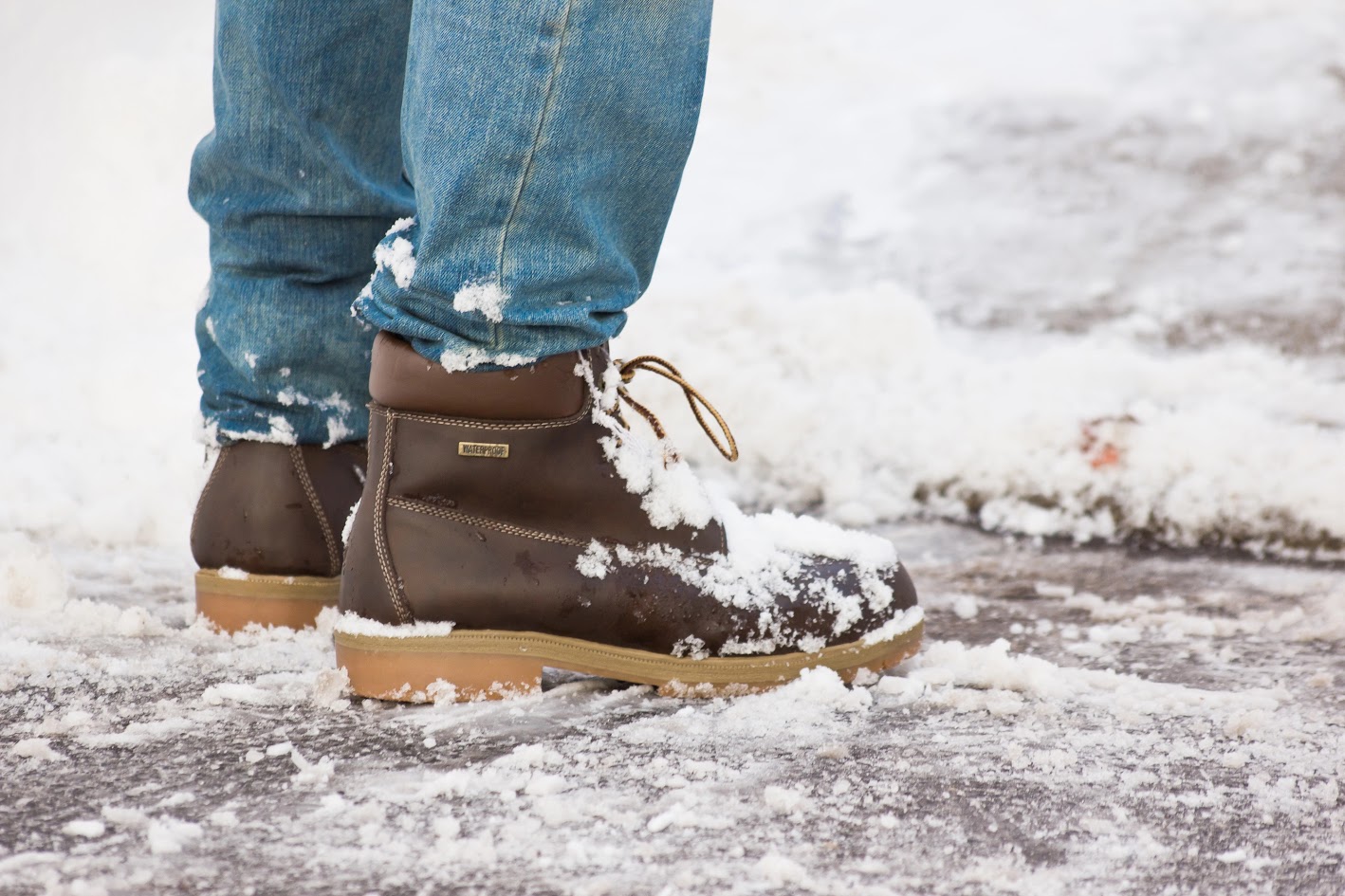
A suitable pair of shoes keeps your feet comfortable in areas where snow has turned into ice.
Recommended suitable shoes include:
- Anti-slip boots (anti-slip / snow boots) with deep treads.
- Waterproof shoes to keep your feet warm when stepping on melting snow.
- Soft, lightweight soles for walking all day without fatigue.
Tips for choosing suitable socks:
- Merino or cashmere socks help keep you warm without being bulky.
- Avoid cotton socks as they retain moisture, making your feet cold.
- If you walk a lot, bring an extra pair of socks to change when needed.
3. Tips for staying warm while traveling in the snow
3.1 Keeping your body warm properly when temperatures drop below zero
Traveling to Europe in winter means you will often face temperatures ranging from 0°C to -10°C, even -20°C in Northern Europe or the Alps. To keep your body comfortable, you need to apply the principle of "keeping warm from the inside out." Prioritize high-quality thermal layers, combined with proper winter clothing layers outside. When your body maintains a stable temperature, you can comfortably stroll, explore Christmas markets, or enjoy the sight of falling snow without feeling the chill. This is also an important factor in helping you avoid the risk of catching a cold, sore throat, or exhaustion due to harsh weather.
3.2 Always keep the 5 important areas warm: head - neck - hands - feet - back
These body areas lose heat the fastest when moving in cold weather, so you need to equip yourself with accessories to protect them:
- Head: wear a wool hat or a hooded hat with a fur lining.
- Neck: use a wide wool scarf to keep your trachea warm.
- Hands & Feet: waterproof gloves, thick wool socks, and heat packs.
- Back: avoid exposing gaps between your shirt and pants when bending.
When you know how to keep warm at the "key points," you will feel much more comfortable throughout your Christmas snow travel. This is also a tip passed down by anyone who has traveled to Europe in winter to those who come after.
3.3 Breathe correctly to avoid "cold shock"
Few people know that the way you breathe also affects your feeling of cold. In the cold wind, you should inhale through your nose instead of your mouth so that the air warms up naturally before entering your lungs. If the weather is too biting, you can cover your nose with a wool scarf to reduce direct cold wind. Slow and steady breathing also helps your body maintain a stable rhythm, avoiding dizziness when walking for long periods in low temperatures.
3.4 Always drink warm water and replenish energy in time
In the cold, many people often forget to drink water, but the body still loses moisture when walking or participating in outdoor activities. Bring a thermos filled with ginger tea or hot cocoa, which helps keep you warm and provides instant energy. You should also supplement with vitamin C, nuts, or chocolate to avoid low blood sugar when moving continuously. These small habits will keep your trip full of energy even when outdoor temperatures drop.
3.5 Avoid standing too long in cold wind or continuous snowfall
Cold air combined with strong winds can cause the body to lose heat much faster. This is why many people experience numbness in their hands and feet even when dressed warmly. When visiting Christmas markets or walking in old town areas, you should keep moving, alternating into cafes, museums, or shops to "return to a warm state" before continuing. This is especially useful for those traveling to Europe in winter for the first time and not used to the weather.
3.6 Notes when participating in outdoor activities such as Christmas markets, skiing, or winter trekking
- At Christmas markets: crowded, so the temperature is somewhat "more pleasant," but you still need to wear non-slip shoes because the ground is cold and wet. Prepare hand warmers for easy photo-taking and eating.
- When skiing: choose fully waterproof clothing, especially shoes and gloves. Don't forget to wear protective goggles to avoid snow blowing into your eyes and keep your nose warm with a thick mask.
- When trekking or hiking: limit carrying a heavy backpack; maintain a steady pace so that your body does not sweat too much because sweat in cold wind can easily cause a cold.
These notes will not only help you stay warm while traveling in the snow but also ensure safety and comfort throughout your journey. When your body is properly protected, you will have more time to enjoy the vibrant beauty of the European holiday season: warm lights, snow-covered rooftops, the scent of cinnamon and hot wine wafting through the old streets.
See more: Top foreign destinations for the most dazzling Christmas in Asia & Europe
4. Notes when traveling to Europe in winter
Christmas is always the most beautiful time of the year for travelers to enjoy the fairy-tale atmosphere of Europe. However, this is also the coldest season, the peak tourist season, and a time when many unexpected situations can arise, such as heavy snowfall, flight delays, or deep freezing temperatures. Therefore, to have a complete and warm trip, you need to be aware of the important notes below before preparing your luggage for Christmas in Europe.
4.1 Weather by region to note
The winter climate in Europe is not uniform. Temperatures can range from 10°C to -25°C depending on the region. This directly affects the choice of winter travel clothing, recreational activities, and the ability to stay warm while traveling in the snow.
Northern Europe is famous for its long winters, little sunlight, and temperatures frequently dropping to -15°C to -25°C. In Lapland (Finland), temperatures can sometimes drop below -30°C, especially at night.
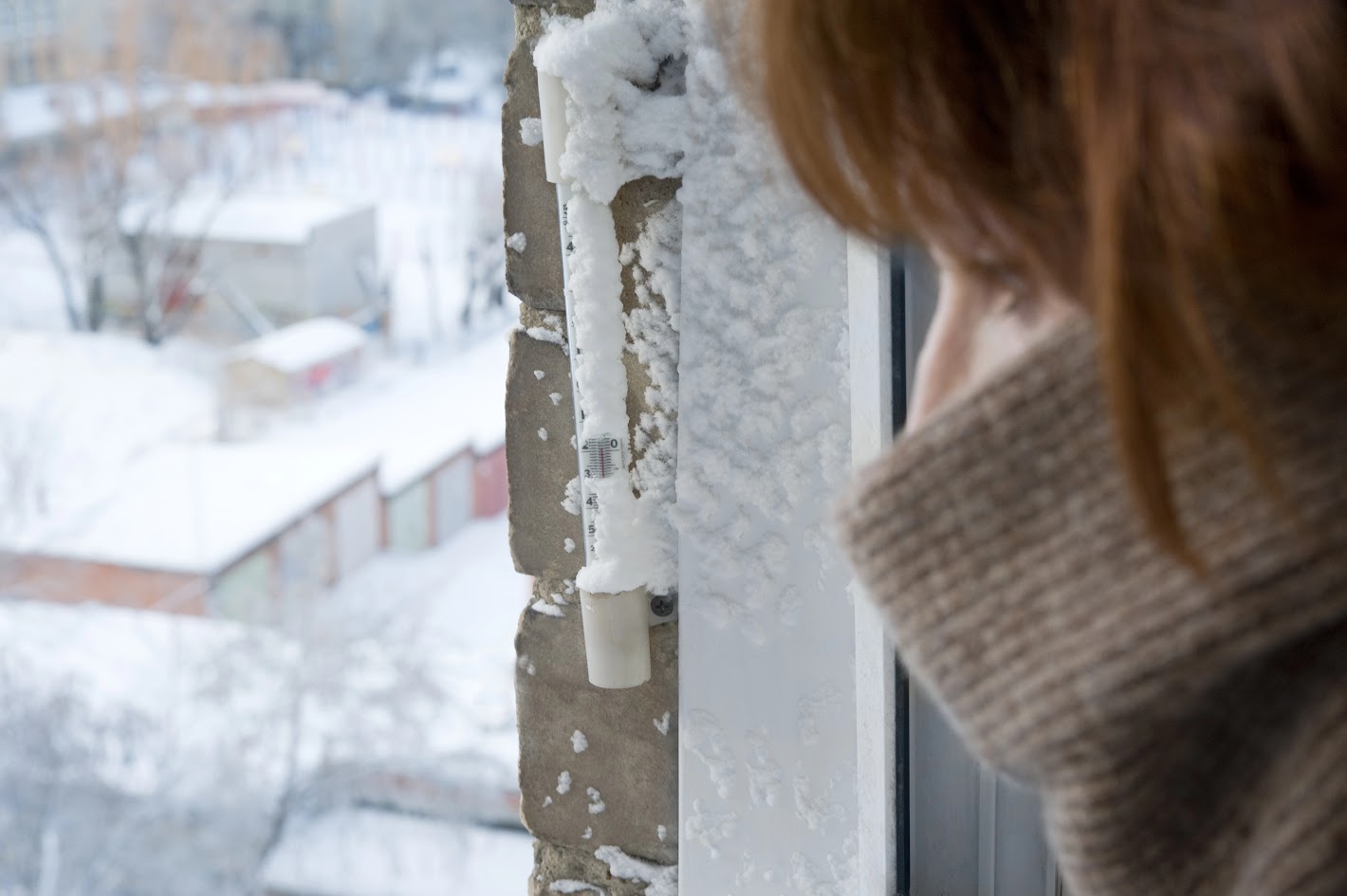
Winter temperatures can range from 10°C to -25°C depending on the region, with Northern Europe known for its long winters or temperatures in Finland dropping below -30°C, especially at night.
With such deep cold conditions, clothing needs to be properly prepared:
- Thick down jackets, preferably down or waterproof parkas.
- High-quality thermal gloves (those with windproof layers).
- Non-slip boots with good snow traction.
- Mandatory accessories: balaclava/wool mask, thick socks, hand warmers/feet warmers.
If you plan to hunt for the Northern Lights or experience snowmobiling with reindeer, wearing enough thermal layers is almost a must.
The weather in Western Europe in December - January ranges from about 2 - 10°C. Not as cold as Northern Europe, but wind and drizzle can make the body feel cold faster.
Notes when choosing clothing:
- Medium jackets with windproof and waterproof capabilities.
- Proper layering: thermal shirts, sweaters, jackets.
- Compact umbrellas or waterproof jackets with hoods.
Strolling in Paris, visiting the Christmas market in Strasbourg, or the Brussels square will be more comfortable if you wear warm but flexible clothing, not bulky.
Eastern & Central Europe (Czech Republic, Austria, Germany) has heavy snowfall and biting cold. Temperatures often drop to -5°C to -15°C, especially in the early morning or evening. The likelihood of heavy snowfall is higher than in other regions.
Clothing should prioritize:
- Fleece jackets + long down jackets.
- Waterproof, non-slip boots.
- Wide wool scarves to protect your throat when moving between Christmas markets.
This is an ideal area for those who love winter travel in Europe due to the stunning snow-covered landscapes but also requires you to prepare more carefully for warmth and health.
4.2 Notes on booking tickets & hotels during peak season
The Christmas - New Year season is when millions of tourists flock to Europe. Events, festivals, and Christmas markets make every destination crowded. Therefore:
- Book flight tickets 1 - 2 months in advance
Booking tickets too close to the date can increase prices by 1.5 - 2 times. If you have a clear plan, book as soon as your schedule is confirmed.
- Book hotels near the center
Traveling in winter can sometimes be difficult due to snow, slippery roads, or slow trains. Being close to the city center helps you reduce travel time in the cold and easily return to the hotel when you need to change clothes.
- Choose flexible flight times
Major airports in Europe are often overcrowded during the end of the year. Early morning or late afternoon flights are usually less congested than the "golden hours" at noon.
- Check the refund and exchange policy
Winter can cause delays, so choosing an airline with a flexible policy will help you feel more at ease.
4.3 Tips for connecting flights to Europe in winter
If you are flying from Asia to Europe, you will likely need to transit. To make your trip smoother, especially in bad weather, you should pay attention to the following points.
Choose a transit airport with a high flight frequency
Three airports commonly chosen by travelers due to their low impact from snow and many alternative flights are: Dubai (DXB), Doha (DOH), Istanbul (IST)
These major airports are better equipped to handle bad weather, reducing the likelihood of flight cancellations.
- Allow 3 - 5 hours for layover
In winter, just a heavy snowfall or fog can cause flights to be delayed by 30 - 90 minutes. A wider layover time will help you avoid stress and not worry about missing your flight.
- Always carry a warm layer in your hand luggage
Many travelers make the mistake of sending all their warm clothes in checked luggage, but when landing at the transit airport in the early morning or at night, the temperature can be very cold.
In your hand luggage, you should have: 1 thermal shirt, 1 thin windbreaker, a wool scarf, and warm socks. This will prepare you for any sudden weather changes.
See more: Airline information: Detailed tips for domestic & international connecting flights
If you are planning a Christmas trip to Europe to immerse yourself in the festive atmosphere, now is the best time to start. Don't miss the chance to hunt for early tickets, especially duringthe golden hours from 12 PM to 2 PM with Vietjet's 0 VND flight tickets (excluding taxes and fees) at promotional prices, making your journey to explore European Christmas markets, enjoy the snowfall, and experience the dazzling festive cities easier and more economical.
Don't forget to follow and update more travel guides from Vietjet through the official channels below to plan your itinerary perfectly at: